





Understand the Features of Each Type of Floor Coating
When you start looking into floor coatings, you’ll find there are so many types that it can be hard to decide which one is right for you. Each type of floor coating differs in aspects such as durability, scratch resistance, glossiness of the finish, and slip resistance.
If you contact a company that only handles one type of floor coating, they’ll naturally highlight only the advantages of that specific type, so it’s a good idea to ask elsewhere about different types of floor coating.
The most popular type of floor coating isn’t necessarily the best choice for everyone. Choosing the floor coating that suits your lifestyle is the key to making a choice you won’t regret.
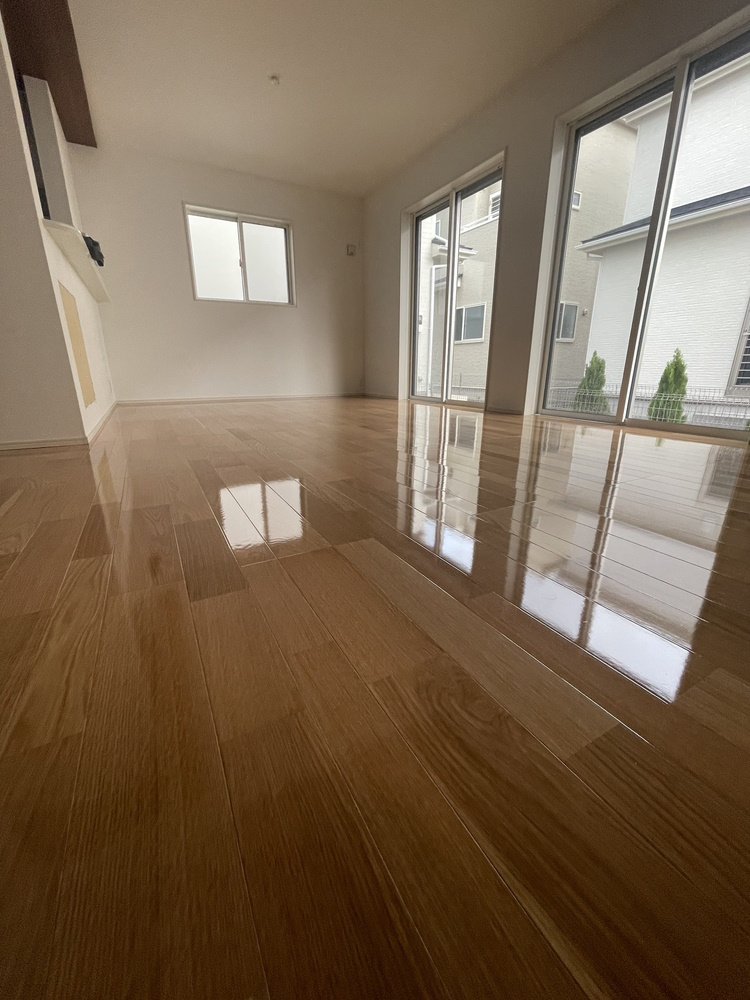
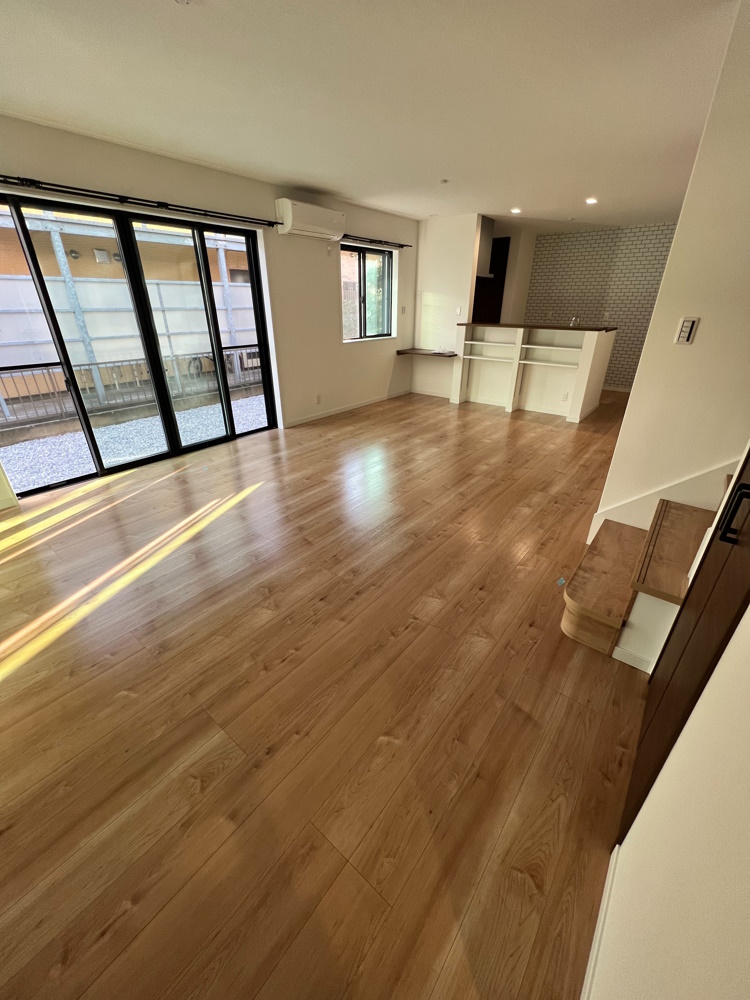
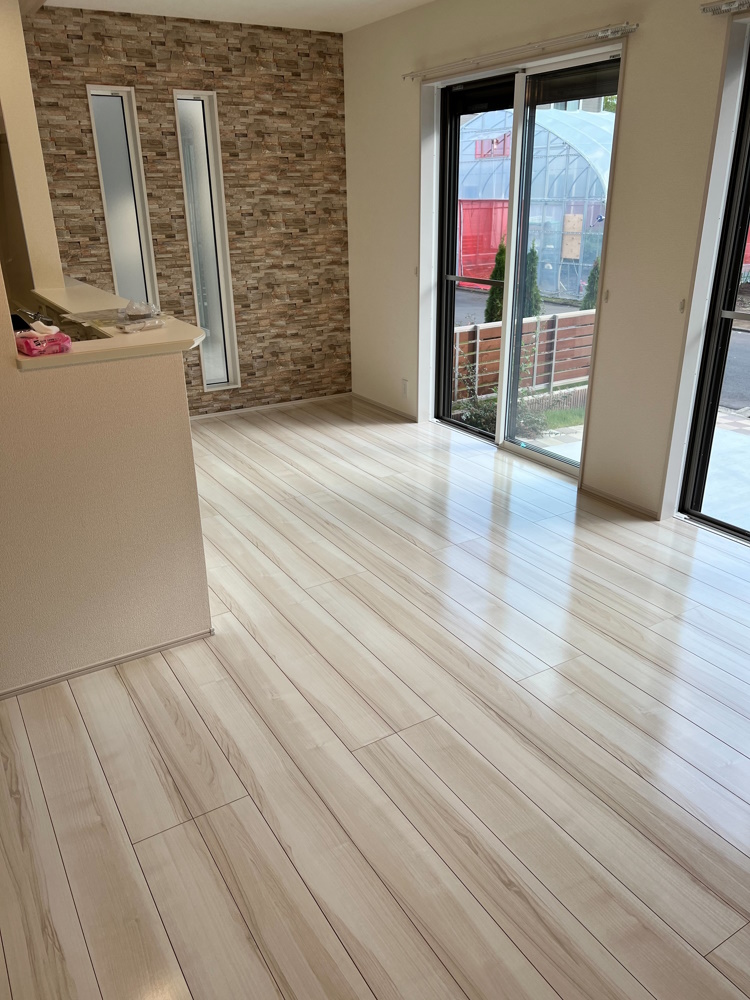
■ Choosing a Floor Coating Based on Scratch Resistance
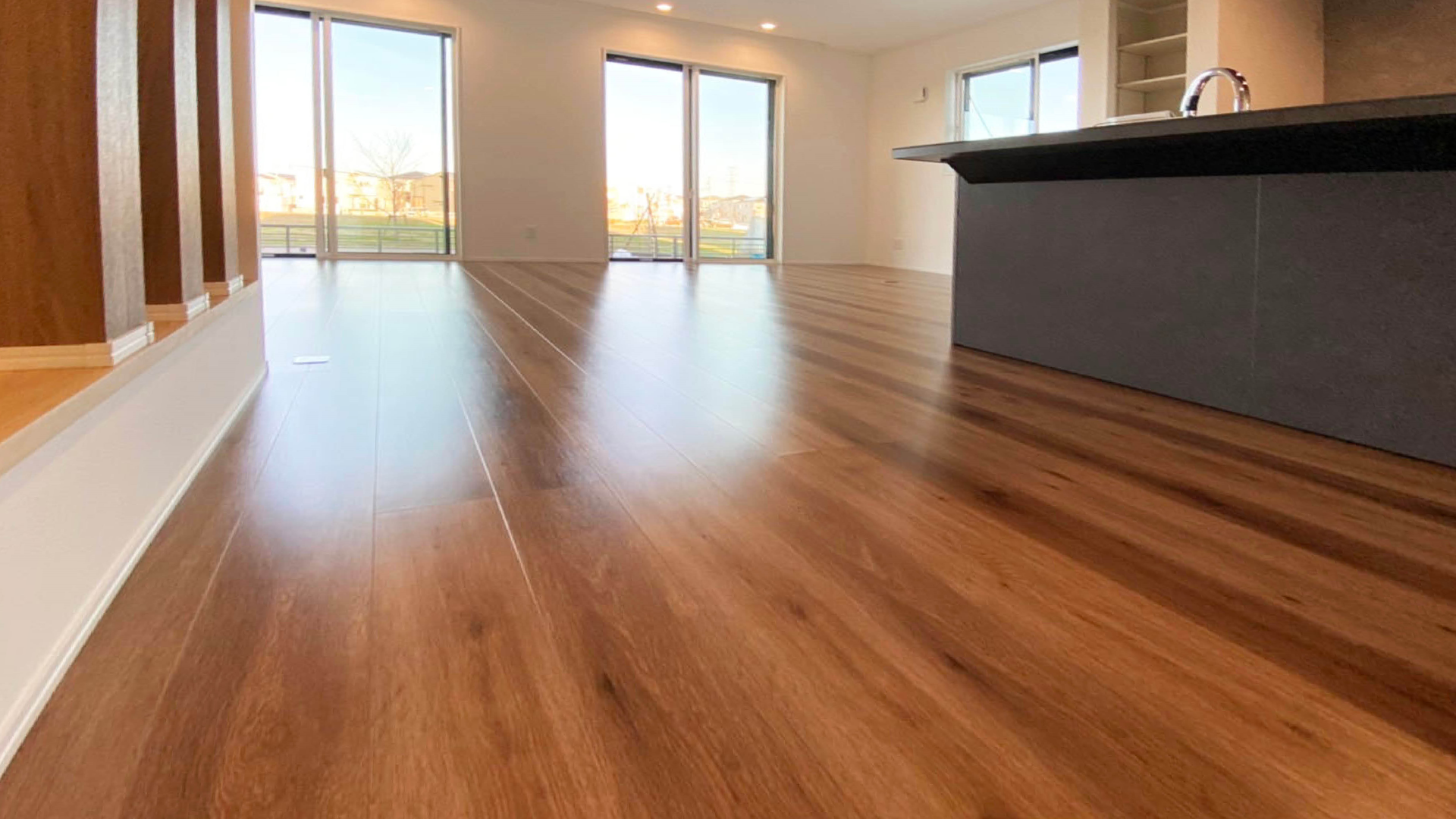
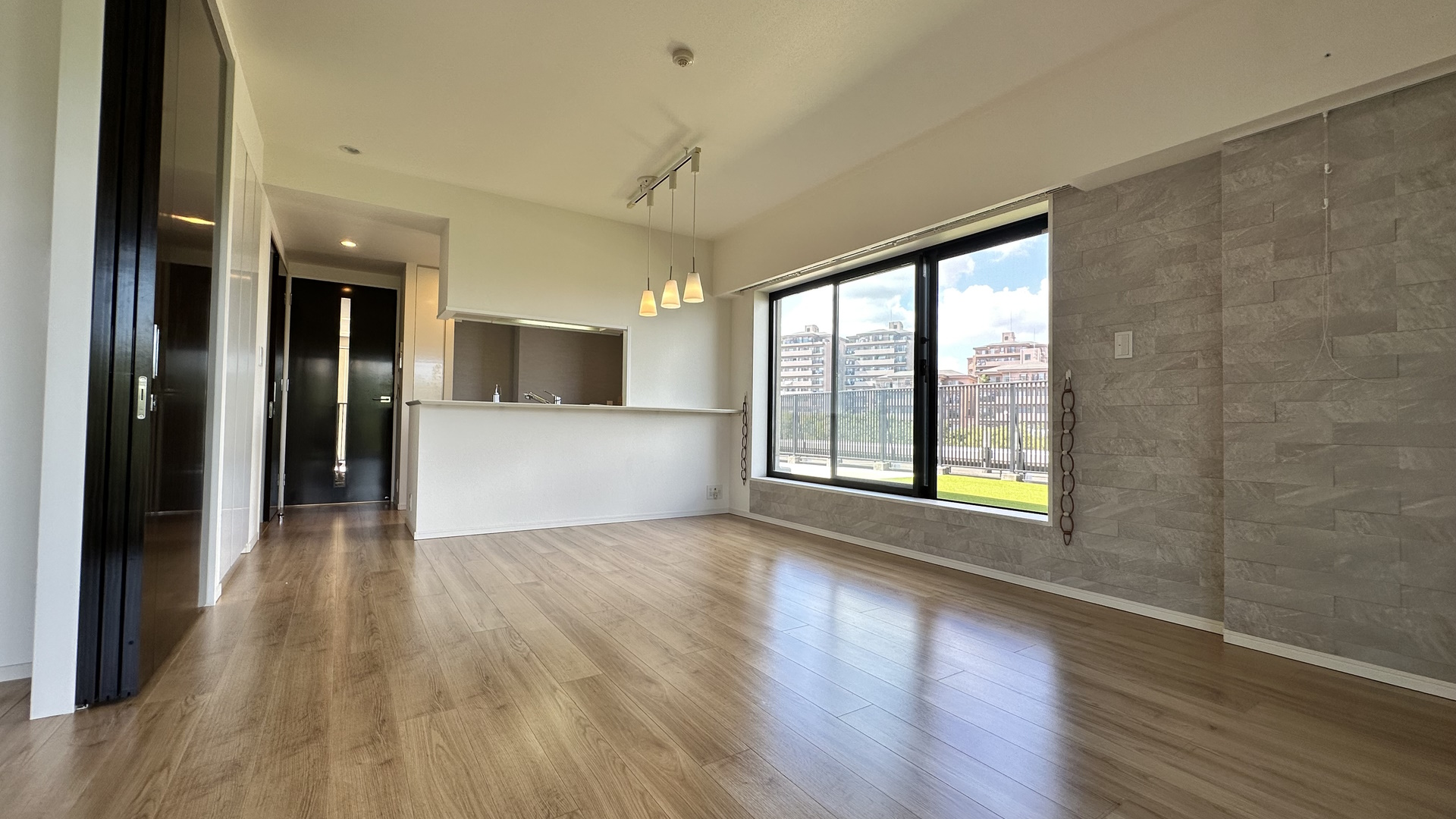
The most common concern we hear from people looking for floor coating is regarding “scratch resistance.” Even with floor coating, dropping heavy or sharp objects can still scratch the coating surface, even if the flooring underneath remains unharmed. The harder the floor coating film, the more resistant it is to scratches, and the longer it will maintain the beauty of your flooring.
Our scratch-resistant coatings include the special UV coating GOOD LIFE COAT SHIKI with a film hardness of 9H, the hard glass coating GOOD LIFE COAT CRYSTAL with a film hardness of 8H, and the glass coating GOOD LIFE COAT TAKE with a film hardness of 7H.
On the other hand, water-based coatings and silicone coatings have low film hardness and are prone to scratches, so if you are looking for a floor coating that is scratch-resistant, it is best to avoid these two types.


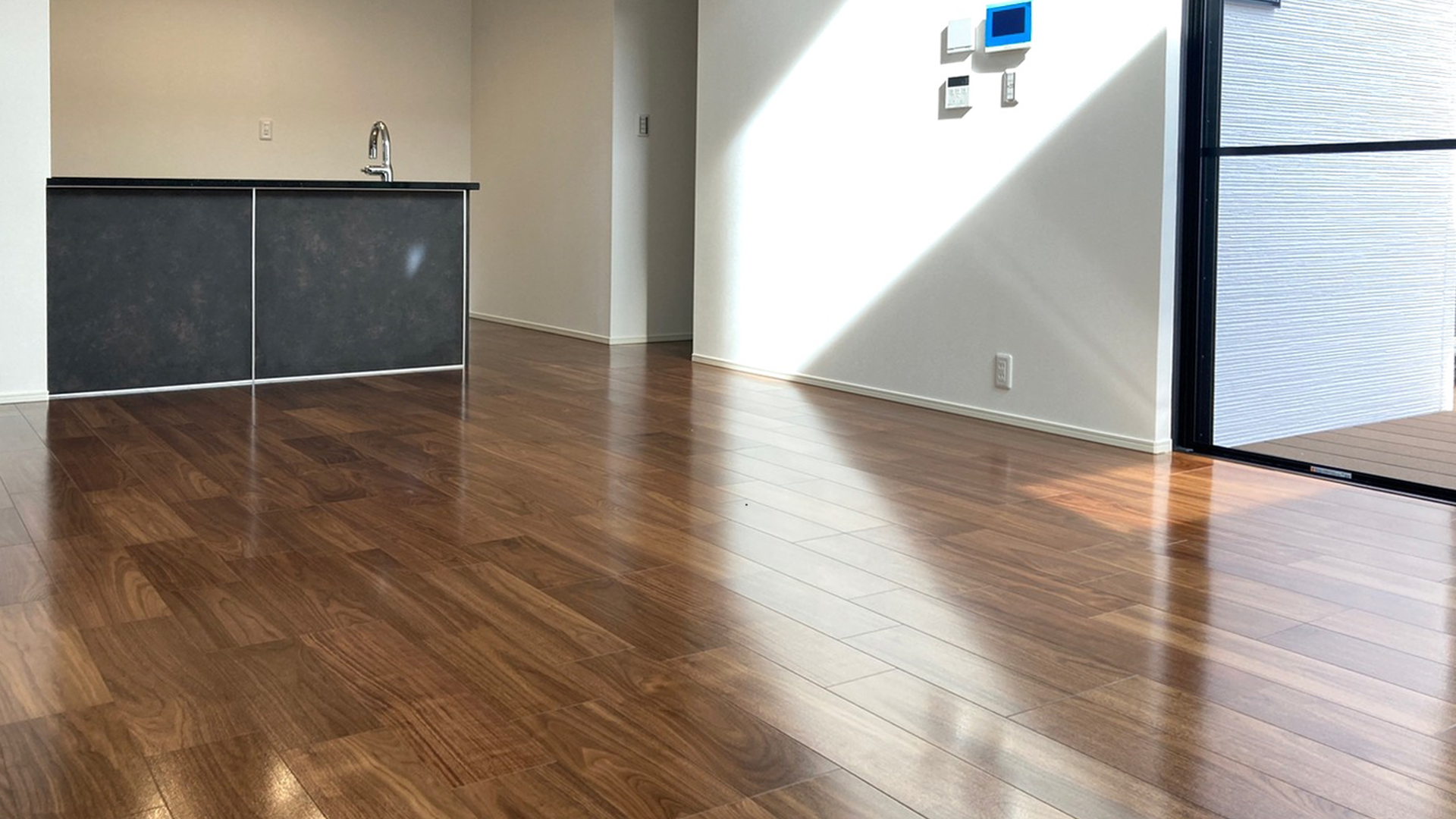

■ Choosing a Floor Coating Based on Durability
The durability of floor coatings varies greatly depending on the type, ranging from 5 to 35 years. If you choose a long-lasting coating, you won’t have to go through the hassle of having to have your floor coated regularly. Reapplying a floor coating can be more expensive than the initial installation in a new home, as it may require moving furniture and removing the previous floor coating. Also, if the floor coating is not a quick-drying one, you will run into the problem of not being able to enter the room until the floor coating has hardened.
Our highly durable floor coatings include the hard glass coating GOOD LIFE COAT CRYSTAL which lasts for 35 years, and the special UV coating GOOD LIFE COAT SHIKI, the UV coating GOOD LIFE COAT HIKARI, and the floor coating for pets DOG LIFE COAT which last for 30 years.


■ Choosing a Floor Coating Based on Glossiness of Finish
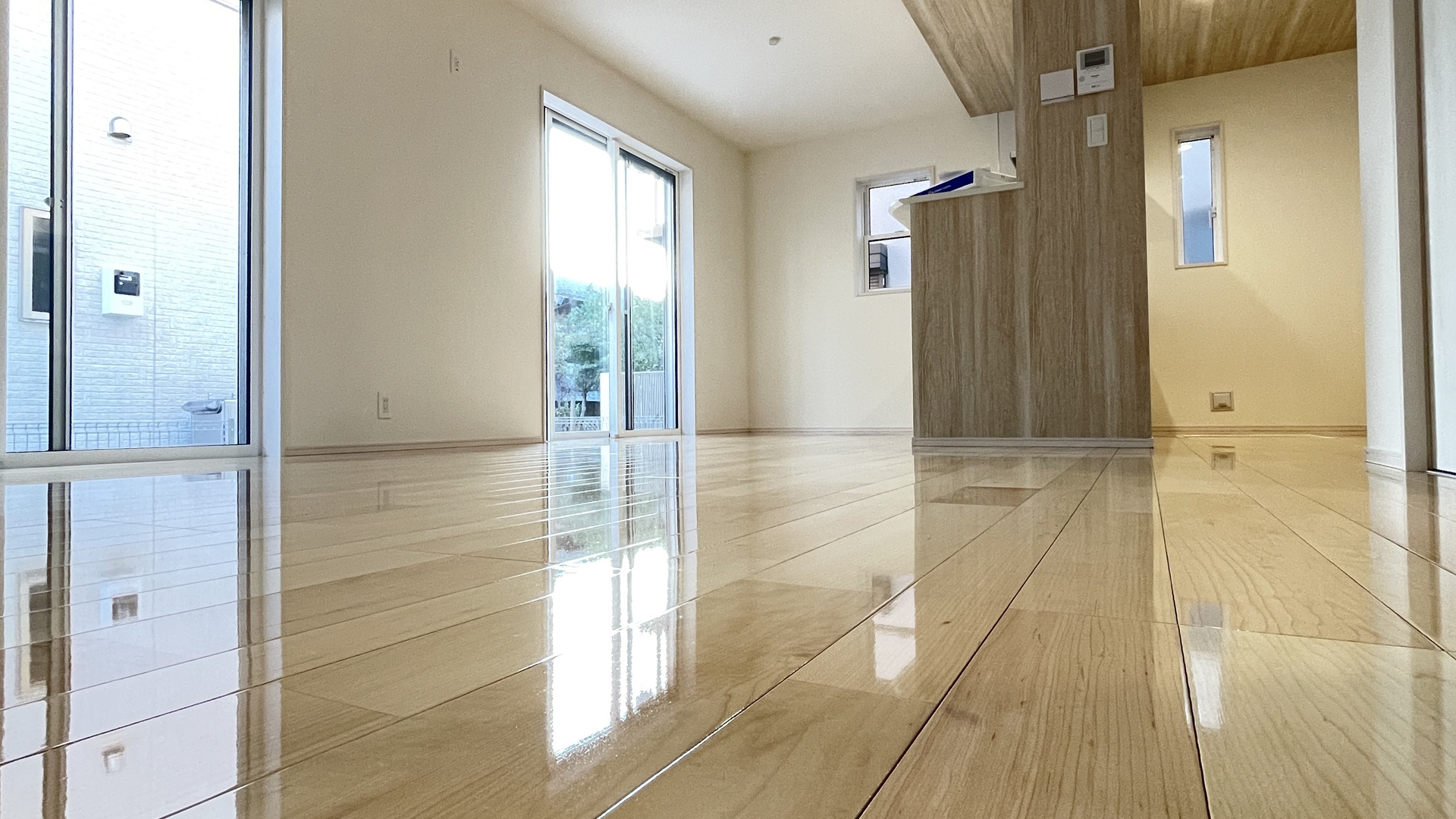
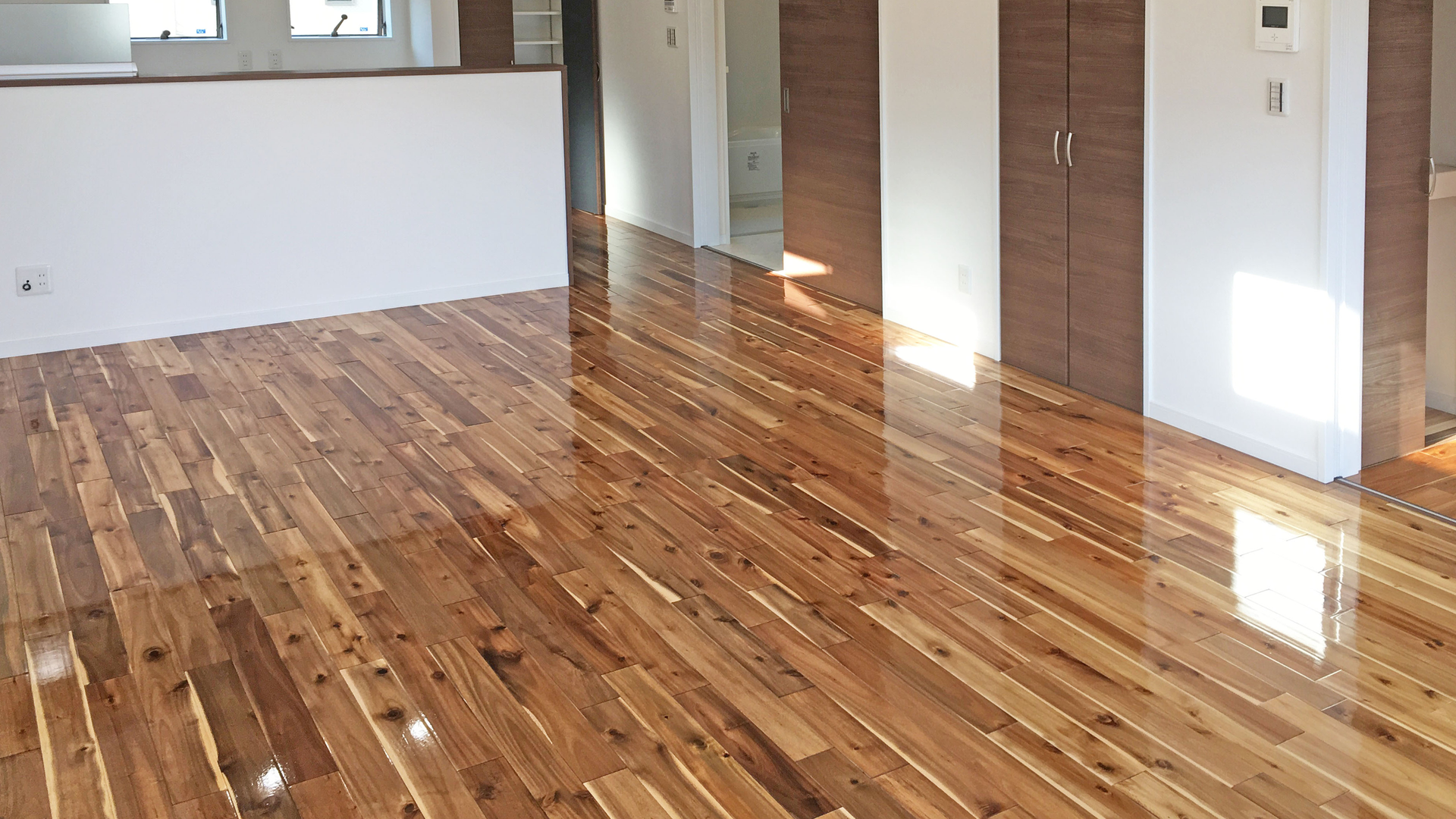
The glossiness of the finish can dramatically change the atmosphere of a room, making it a major element in interior design. For those who want a high gloss finish to brighten up their room, we recommend a high-gloss floor coating. On the other hand, for those who prefer a matte texture and a natural finish that retains the warmth of the wood flooring, we recommend a floor coating with a lower gloss.
The glossiness of floor coating depends on 1) the thickness of the coating film and 2) whether or not a primer (undercoat) is used. The reason why silicone coating and UV coating are glossy is because the coating film is thick.
Some companies offer a non-gloss UV coating product, but since it forcibly mutes the gloss that naturally appears during the application process, the floor coating is more prone to issues after installation. Therefore, we do not recommend it.
If a single coat is applied without a primer to reduce gloss, the coating will adhere poorly and may peel off after just a few years. Similarly, adding a matting agent to the coating to reduce gloss can compromise its original performance.
Our glossy floor coatings that brighten up your room include the UV coating GOOD LIFE COAT HIKARI and the silicone coating GOOD LIFE COAT MATSU. Our floor coatings that produce a natural finish include the hard glass coating GOOD LIFE COAT CRYSTAL and the glass coating GOOD LIFE COAT TAKE.

■ Choosing a Floor Coating Based on Chemical Resistance
When it comes to daily cleaning, one thing you may be concerned about is which cleaning products or chemicals can be used. You may be worried that using the wrong detergent could damage your floor coating. Except for water-based coatings, most floor coatings have a certain level of chemical resistance and can be cleaned with water or alcohol.
As the name suggests, water-based coatings are weak against water and alcohol—just like water-based markers. Frequent cleaning with water or alcohol can cause the coating to gradually dissolve.
Water-based coatings that can withstand wiping with water have been developed, but they are only less likely to dissolve compared to conventional water-based coatings. Repeated wiping with water will still cause the coating to gradually dissolve.
Among the various types of floor coatings, UV coatings offer the highest resistance to chemicals.
Thanks to their resistance to chlorine-based chemicals, UV-coated floors can also be safely cleaned with bleach and other disinfectants, making them ideal for homes with small children.
Our floor coatings that are resistant to chlorine-based chemicals include the special UV coating GOOD LIFE COAT SHIKI, the UV coating GOOD LIFE COAT HIKARI, and the floor coating for pets DOG LIFE COAT.
■ Choosing a Floor Coating Based on Your Family Structure
Households come in all shapes and sizes—some have small children, others share their home with pets. If you live with young children, a hard-coated floor coating is recommended to protect the floor from scratches caused by toys.
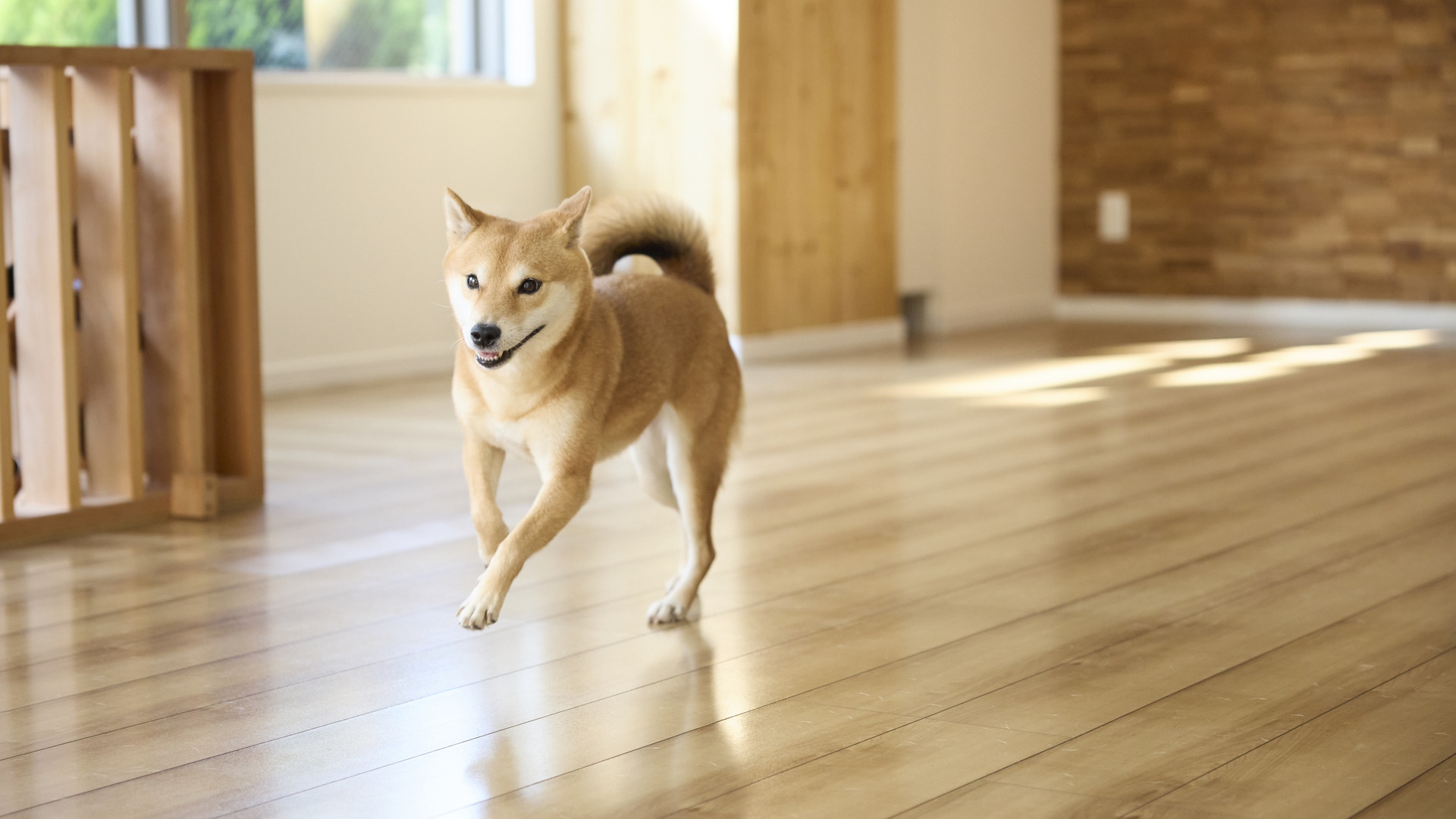
If you live with pets, it’s a good idea to choose a floor coating with slip-resistant properties to prevent them from slipping and getting injured. If you’re also concerned about scratches from their claws, a hard-coated floor coating is recommended.
Our hard-coated floor coatings include the special UV coating GOOD LIFE COAT SHIKI, the hard glass coating GOOD LIFE COAT CRYSTAL, the glass coating GOOD LIFE COAT TAKE, and if you live with pets, the DOG LIFE COAT.
■ Choosing a Floor Coating Based on Price
The price of each floor coating is naturally a major consideration. Compared to other types, water-based floor coatings are offered at a lower cost. However, it’s risky to base your decision solely on the cost of one installation. Since you’ll be living in your home for decades, it’s a good idea to estimate the total cost of floor coatings over 20, 30, or even 40 years.
Water-based coatings, which are considered to be inexpensive, also have a short lifespan of 5 to 10 years. If you plan to have your floor recoated every 5 or 10 years, it’s more cost-effective to choose a floor coating with a lifespan of 30 years or more from the start. This way, the total cost—including both the initial and ongoing maintenance—will be lower.
・100,000 yen for 10-year lifespan = 10,000 yen per year
・130,000 yen for 20-year lifespan = 6,500 yen per year
・170,000 yen for 30-year lifespan = 5,666 yen per year
・190,000 yen for 35-year lifespan = 5,428 yen per year
When considering only the initial cost, the cost from cheapest to most expensive is “10-year lifespan > 20-year lifespan > 30-year lifespan > 35-year lifespan.” However, when looking at total cost over time, the order is reversed. Our floor coating with the lowest initial cost is the water-based coating GOOD LIFE COAT UME, while our floor coating with the lowest total cost is the hard glass coating GOOD LIFE COAT CRYSTAL.

We are Currently Running Sales Campaigns!


Key Points When Choosing a Contractor
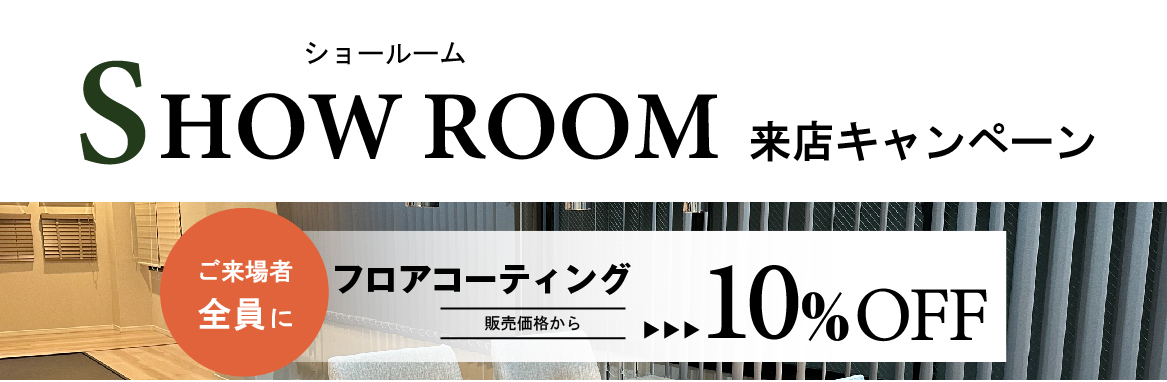
Floor coatings have only been around for about 35 years, so it is still a young industry. As a result, in recent years, many companies from other industries—such as cleaning, renovation, and real estate—have entered the floor coating market. The process of “cleaning → surface preparation → coating application” is similar to the steps for waxing floors in house cleaning, which can give the impression that anyone can apply floor coating, but in reality, it is a much more complex task.
・If the cleaning method isn’t appropriate for the specific type of dirt, it won’t be completely removed, leading to poor adhesion.
・If shortcuts are taken during cleaning, foreign particles can get trapped in the finish.
・If the coating isn’t applied in the correct amount for the type of flooring, uneven coverage may occur.
Because each site requires the craftsman’s judgment, only those who have gained experience on many projects during their training can avoid installation errors.
To evaluate a contractor, pay attention to their:
・Track Record (years since establishment, number of projects completed per year)
・Worker Status (full-time, part-time, subcontracted, franchise, construction agency)
・Technical Training (whether or not they follow a manual, ISO certification, years of experience to become a site manager)
Floor coating companies that offer extremely low prices run the risk of hiring inexperienced installers, installers with poor working conditions and low motivation, or installers with minimal training that are unable to handle unexpected situations.
Are Floor Coatings Necessary?
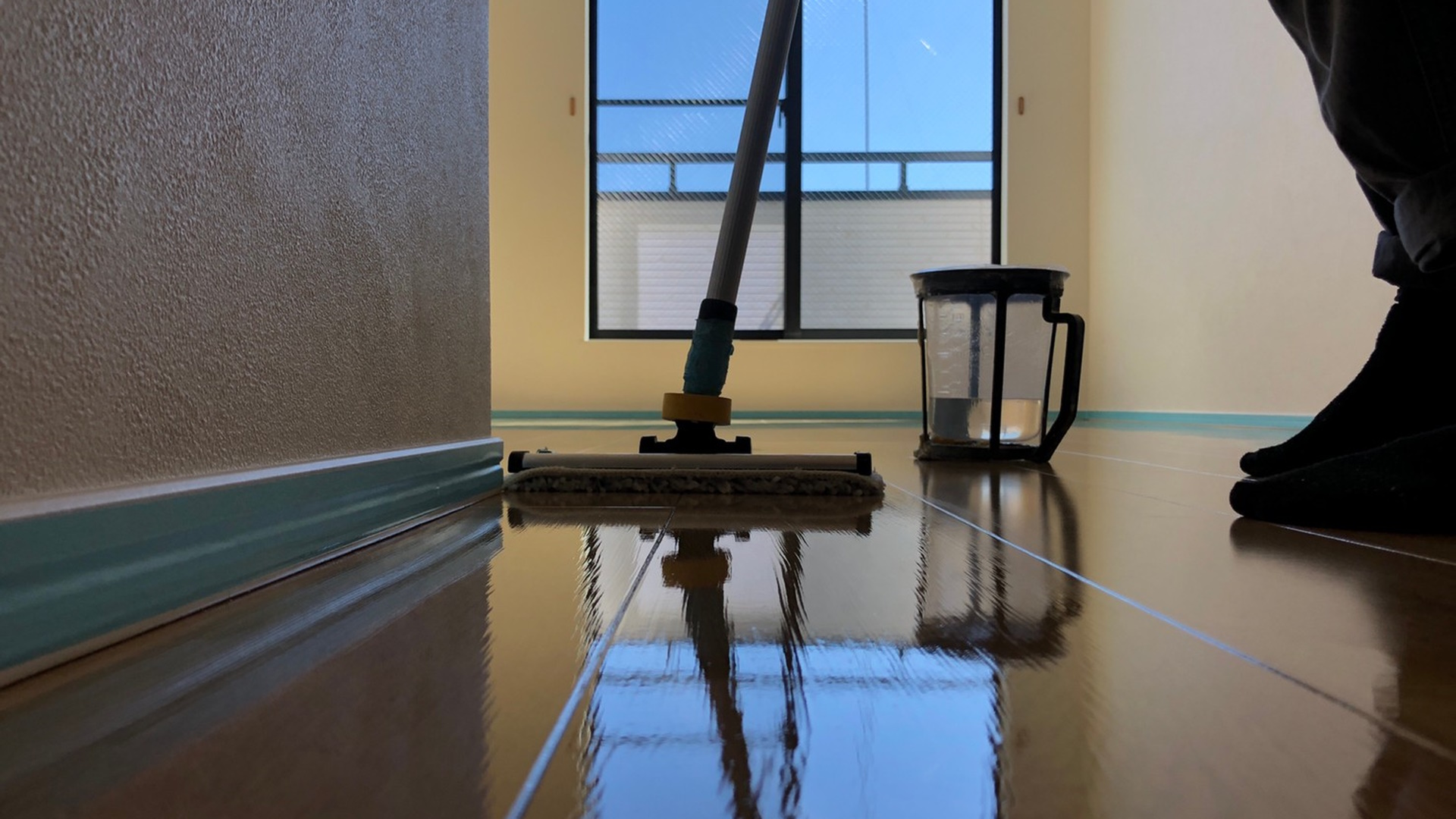
Floor coating isn’t always necessary. With natural wood flooring, the wood develops a unique character over time, but applying a glossy floor coating can diminish that natural charm.
The sheet flooring that has become mainstream recently (flooring made of MDF (a cardboard-like material) covered with an olefin sheet with a wood grain print) has a special coating on the olefin sheet that repels water and makes it resistant to stains.
However, because the olefin sheet on sheet flooring is thin, as shown in the photo below, if the sheet gets scratched, water or alcohol used for cleaning can seep into the MDF underneath.
The surface is specially treated and functions like wax, which is why it’s called “wax-free.” However, the untreated MDF underneath easily absorbs water, so applying a floor coating helps protect the thin sheet and prevents moisture from reaching the MDF.
Floors naturally get scratched, damaged from sunlight, and gradually worn down through everyday use.
If you plan to simply replace your damaged flooring, then floor coating isn’t necessary. However, replacing floors involves moving furniture, losing access to rooms, and high costs. For these reasons, applying a floor coating is often the better choice from a long-term perspective.

Importance of Property Viewings Before Applying Floor Coating
When you purchase a newly built home, property viewings are usually held as the building nears completion. These property viewings aren’t just a showcase—it’s a crucial opportunity to check for any defects in the home.
If you hire a company other than the home builder to install interior add-ons after moving in, neglecting to check the property during the property viewing can result in the builder not acknowledging pre-existing damage.
Defects are often discovered after moving in. Were the scratches on the flooring, walls, fixtures, and equipment present from the beginning? Or are they scratches that occurred after you moved in? You need to check carefully at the property viewing to avoid any disputes with the home builder.
If you find it difficult to check for defects yourself, one option is to ask a company that will accompany you on a viewing.
| Defects Found at Property Viewings | <Misaligned Fixtures> In the case of separate cupboards, etc., adjacent parts may be slightly misaligned. Check them using a level or protractor. <Floor Scratches> Since multiple contractors enter the room, the floors often have numerous scratches. In many cases, the problem can be resolved by repairing the damage, but if the repair looks poor, have them redone again. Apply masking tape to any areas you are concerned about. <Floor Creaking> Walk thoroughly around the entire room. Even if the creaking isn’t loud at first, it can become louder over time. <Wallpaper Seams> If seams aren’t properly aligned, gaps may appear, creating dark lines. For white wallpaper, request caulking. For patterned wallpaper, ensure the seams match perfectly to avoid ruining the design. <Pipe Connections> Turn on the tap in the kitchen, toilet, washbasin, bathroom, etc. If you feel moisture in the pipes underneath, the connections may be loose. |
|---|---|
| What to Bring to the Property Viewing | ・Floor plan ・Flashlight ・Level ・Masking tape ・Wet wipes / Tape measure ・Pen and paper ・Camera |
| Checklist for the Day of the Inspection | ・Are there any discrepancies between the actual layout and the floor plan in your contract? ・Are there any discrepancies in the direction the door opens, or the location and size of storage, walls, windows, and electrical outlets? ・Are the floors, stairs, walls, and fixtures level and properly aligned? ・Are there any protrusions or creaking when you walk the entire floor? ・Are there any stains, scratches, or gaps on the floors, walls, or fixtures? ・Do doors, windows, storage units, etc. open and close smoothly? ・Is the water pressure in the plumbing adequate? ・Are there any leaks under sinks or around plumbing areas? ・Are there any signs of water marks under the floor? ・Is there adequate insulation in the attic? ・Are there any cracks or defects on the surface of the exterior walls or foundation? |
| For Any Concerns | If there are any areas that concern you, don’t hesitate to ask the home builder’s staff to fix them. It is important to keep a written record of everything that was discussed on the day so that nothing is missed. Adjustments are usually done through repairs, but if repair marks are noticeable, request another repair or a replacement. |